
This is the best book I have read this year. Although it is more than 600 pages long, it was a surprisingly quick and engaging read because the stories and characters are so compelling. Rather than feeling like a dry history text about the origins of the Vietnam War, it reads more like a well-crafted historical novel.
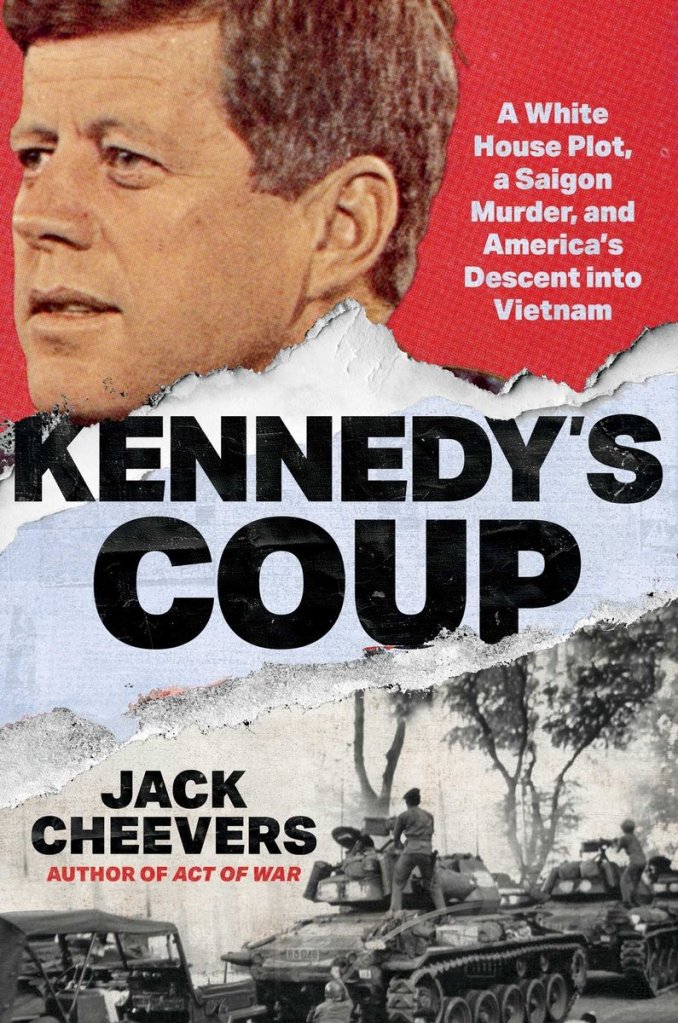
Eight Observations
- The Role of Journalists The book highlights the remarkable influence and adventures of journalists such as David Halberstam, Malcolm Browne, and Neil Sheehan. They took significant professional and personal risks to uncover and report what was actually happening in Vietnam, often in the face of official denials and misinformation.
- Failures of American Intelligence The CIA and other intelligence agencies repeatedly failed to adequately understand the political, cultural, and social turmoil unfolding in Vietnam. Their reports often painted an overly optimistic picture that differed sharply from realities on the ground.
- Corruption Within the Diem Regime The extraordinary corruption of President Ngo Dinh Diem, his brother Ngo Dinh Nhu, and Madame Nhu is thoroughly documented. The book raises troubling questions about why the United States tolerated and supported this regime for so many years.
- Kennedy’s Information Problem President Kennedy struggled to obtain reliable information about events in Vietnam. Conflicting reports came from intelligence agencies, military leaders, cabinet members, journalists, and members of Congress returning from fact-finding trips.
- A Turning Point in American Policy According to the book, Kennedy intended to reduce American military involvement and foreign aid following his anticipated reelection in 1964. After Kennedy’s assassination, Lyndon Johnson chose a different path, eventually committing large numbers of American troops to Vietnam. The result was a war that claimed the lives of 58,220 Americans and left more than 300,000 wounded.
- A Pattern of Deception The book documents a steady stream of exaggerations, misleading statements, and outright falsehoods from the Diem government, military officials, diplomats, and various so-called experts. These distortions made it difficult for policymakers to make informed decisions.
- Misjudging the Enemy One of the recurring themes is the failure of American leaders to anticipate how their adversaries would react. Despite overwhelming military superiority, the United States consistently underestimated the determination, adaptability, and long-term strategy of its opponents.
- The Consequences of Regime Change The overthrow of Diem is presented as a critical mistake. American policymakers failed to consider what would follow his removal, and there was no obvious or widely supported successor capable of providing stable leadership.
Jack Cheevers has written a deeply researched and highly readable account of one of the most consequential foreign-policy failures in American history. For readers interested in Vietnam, the Kennedy presidency, Cold War politics, or the dangers of flawed intelligence and political miscalculation, this book is highly recommended.

