Tanking the Republic

“Tanking” is all the rage in the NBA. It is the calculated decision to stop pretending to compete today in order to improve tomorrow. Lose now, draft later, and pray for salvation in the lottery.


It is hard to avoid the suspicion that the American electorate has adopted a similar strategy. Our current executive, legislative, and judicial rosters show little evidence of being built to win. Perhaps, collectively, we have decided to bottom out in the standings and hope for a better draft class in some future season.


The nation’s most serious intelligence failure is not occurring in a foreign capital; it is the chronic absence of intelligence—judgment, knowledge, and expertise—among too many who hold high office. At precisely the moment when we require leaders capable of navigating artificial intelligence, climate disruption, geopolitical instability, and the inevitability of another pandemic, the bench has been cleared of the studious and the competent. In their place stand political improvisers, confidently winging it.


The much-discussed Epstein files, said to number in the millions of pages, have become a Rorschach test for institutional credibility. In the popular imagination, their handling has elevated cynicism to an Olympic sport. Watergate, once the gold standard of scandal, now risks being remembered as a procedural misdemeanor—a historical jaywalking citation.


One is tempted—half seriously, half in despair—to suggest turning the whole archive over to artificial intelligence. Let the machines do what our bureaucracies cannot: sort the evidence, connect the names, and identify conduct worthy of prosecution. It would be an ironic triumph if algorithms proved more diligent custodians of justice than the institutions designed for that purpose.
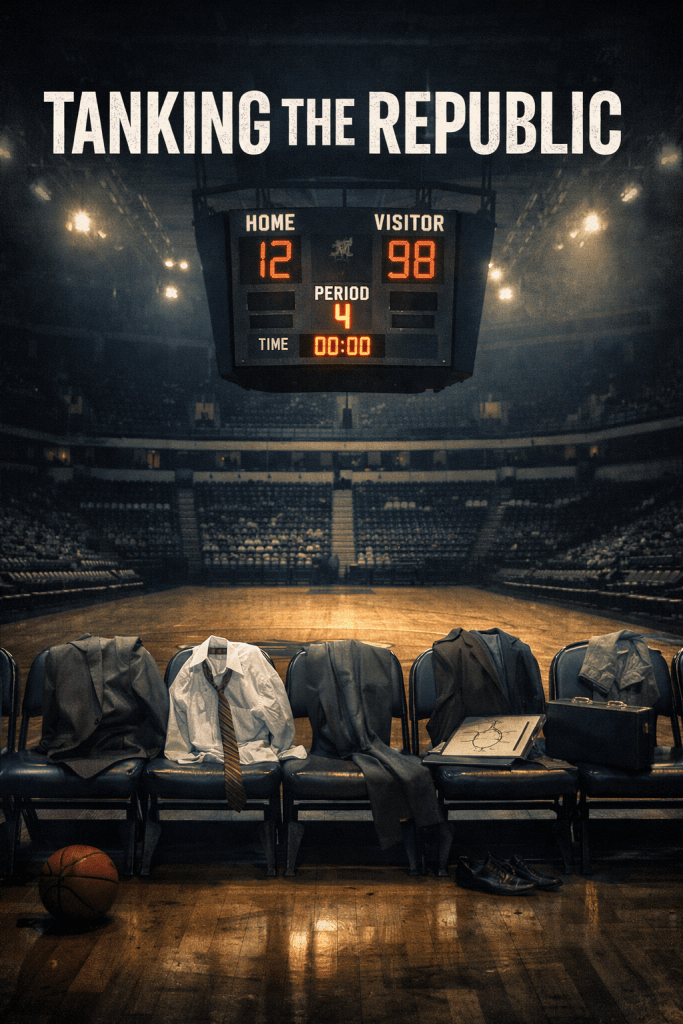
Image by AI

Meanwhile, scandal behaves less like a series of discrete events and more like a metastatic disease, radiating outward from Washington, weakening already fragile civic tissue. The body politic coughs politely while the infection spreads.


Political commentary, however eloquent, feels increasingly like prescribing lozenges for a structural fracture. Words—mine included—are no match for a system that rewards performance over competence and outrage over understanding.


As for last week’s congressional theatrics, one could not help but notice the Attorney General auditioning for a post-government career in the insult-comedy circuit. If the aspiration is to channel Don Rickles, the material requires sharpening and the timing considerable work. Even Mencken, patron saint of American skepticism, understood that ridicule is most effective when it is both precise and economical.


In the meantime, the republic appears committed to playing out the season with a depleted roster, a distracted coaching staff, and a fan base divided between those booing, those cheering, and those already studying next year’s draft prospects.
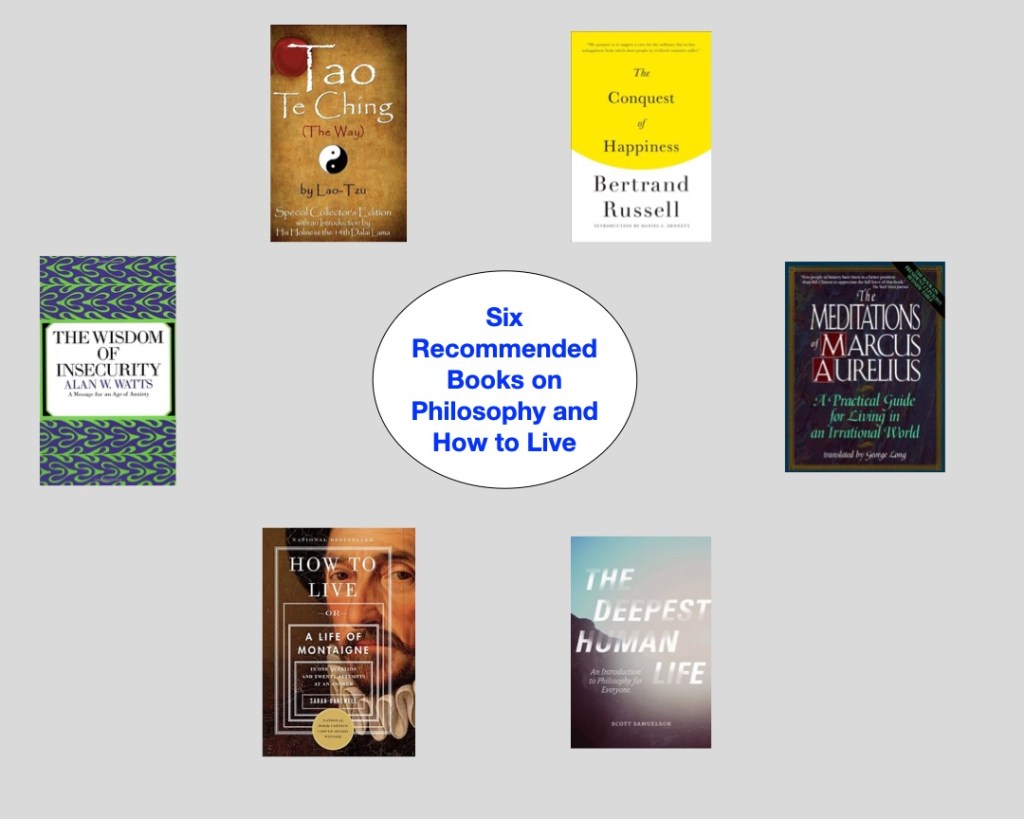
Best Six Philosophy Books of My Lifetime

When religion failed to be an adequate guide on how to live and conduct oneself, I became interested in philosophy. I don’t pretend to be particularly wise or that I have conducted myself in life to a high standard, but these books provided some inspiration and guidance based on reason and common sense.

Because life is sweet, we do not want to give it up, and yet the more we become involved in it, the more we are trapped, limited and frustrated. We love it and hate it at the same time. We fall in love with people and possessions, only to be tortured by anxiety for them.

The Wisdom of Insecurity by Alan Watts

Chase after money and security and your heart will never unclench. Care about people’s approval and you will be their prisoner.

Tao Te Ching Translated by Stephen Mitchell

The wise man thinks about his troubles, only when there is some purpose in doing so; at other times, he thinks about other things, or, if it is night, about nothing at all.

The Conquest of Happiness by Bertrand Russell.

The best way of avenging one self is not to become like the wrong doer.

Meditations by Marcus Aurelius.

Finish Line

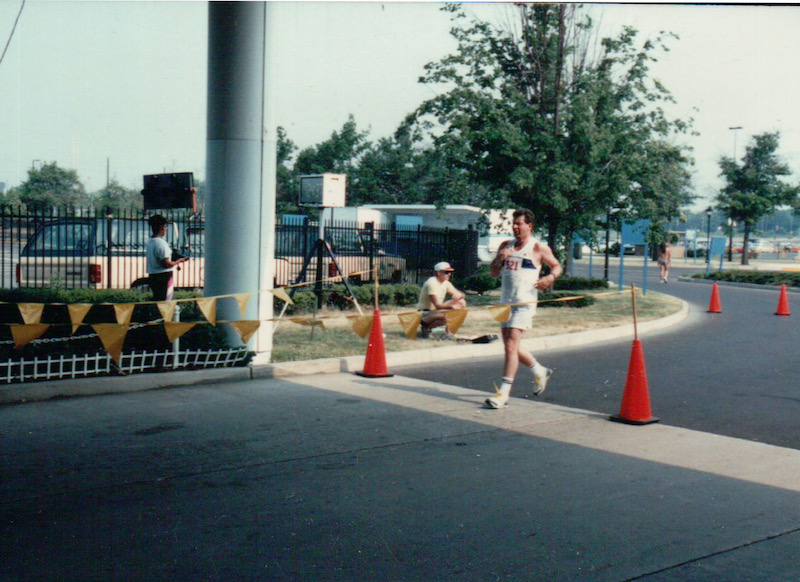
In my younger days, I ran 5K and 10K races. When I was able to see the finish line from a distance, I needed to make a decision. Do I finish the race strong with a last minute spurt or do I comfortably finish at a relaxed pace? My decision was not based on winning any medals or prizes as I was a “back in the pack” runner. My decision was personal, primarily based on how much energy I had left in my legs and what I wanted to accomplish in terms of my own goals. I mostly competed with myself and was interested in seeking improved race times.

As one gets older in life, there are a number of finish lines that need to be crossed. Generally, the first finish line is the end of your career or business. For many, the decision on how we finish that race is not made by them. Some don’t get the opportunity to finish but are pulled aside and told their race is over. The lucky get to finish the race on their own terms and with the plaudits and appreciation of their fellow employees and partners. They leave with a sense of satisfaction of a race well run.

Young people are not concerned with finish lines. They are at the beginning or mid-way point of their race. Time is on their side – – they have the energy, ability and opportunity to run more laps and circle the field if they are so inclined. They are in the early stages of a life marathon with many miles to go.

As I have gotten older, I appreciate that a final finish line may be looming. I don’t know its distance but I sense its presence. There are no mile markers in the final finish line. I still have the ability to decide if I want to walk or jog in my last miles or finish with a burst of speed and vigor. There won’t be spectators to cheer me on. How I finish that race will largely be my decision. There are no medals to win. But there is one more chance to make a difference in my life and maybe someone else’s. One more opportunity to overcome a challenge or make a contribution. One more opportunity to achieve a life well run…