Best Six Philosophy Books of My Lifetime

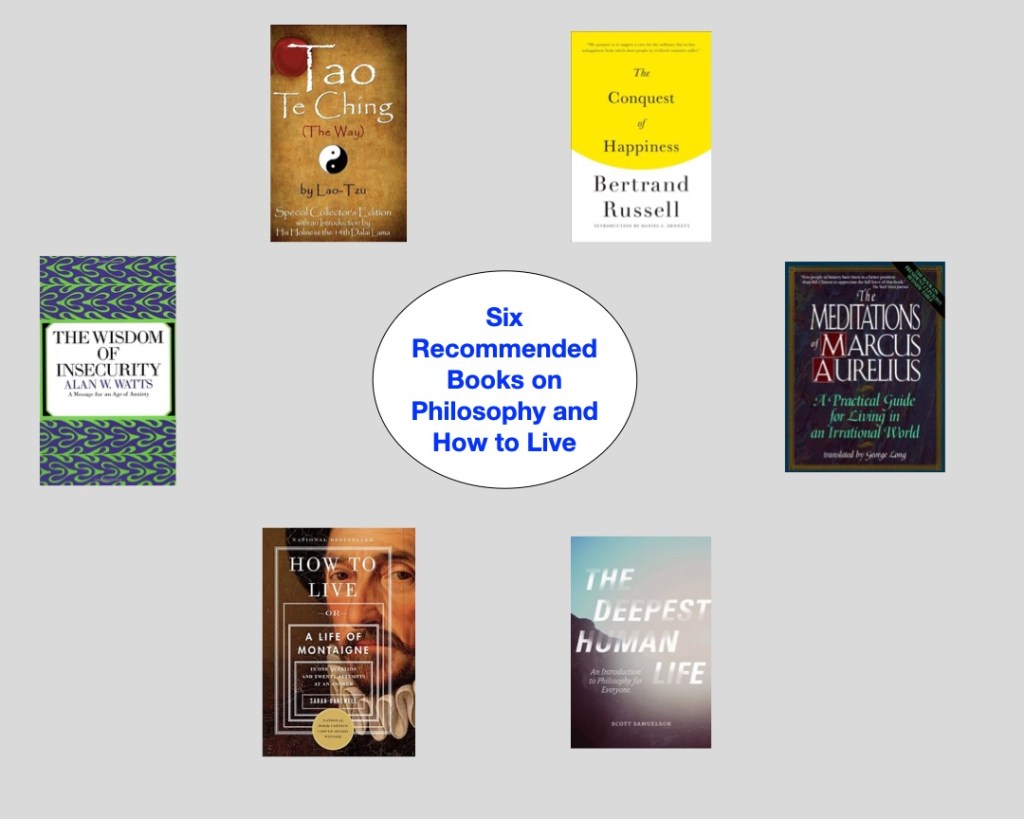
When religion failed to be an adequate guide on how to live and conduct oneself, I became interested in philosophy. I don’t pretend to be particularly wise or that I have conducted myself in life to a high standard, but these books provided some inspiration and guidance based on reason and common sense.

Because life is sweet, we do not want to give it up, and yet the more we become involved in it, the more we are trapped, limited and frustrated. We love it and hate it at the same time. We fall in love with people and possessions, only to be tortured by anxiety for them.

The Wisdom of Insecurity by Alan Watts

Chase after money and security and your heart will never unclench. Care about people’s approval and you will be their prisoner.

Tao Te Ching Translated by Stephen Mitchell

The wise man thinks about his troubles, only when there is some purpose in doing so; at other times, he thinks about other things, or, if it is night, about nothing at all.

The Conquest of Happiness by Bertrand Russell.

The best way of avenging one self is not to become like the wrong doer.

Meditations by Marcus Aurelius.

Under the Influence…

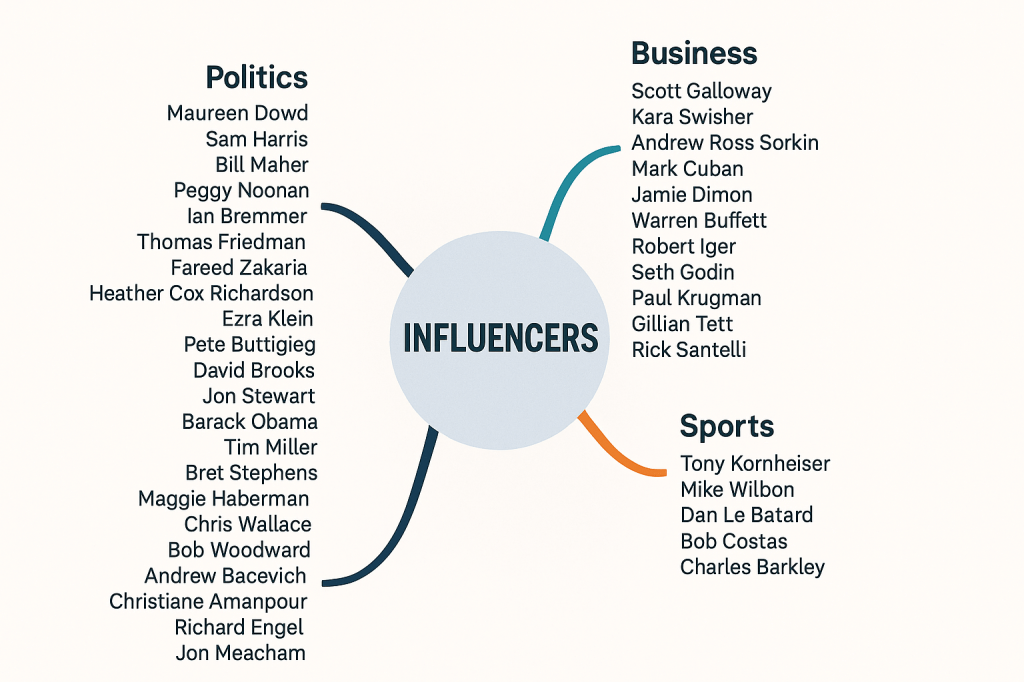
Shown below is a short list of journalists, writers and media types, whose opinions I value. I may not agree with all their conclusions or analysis, but I will take the time to consider them.

Late additions to my Political Influencers list: Jon Meacham, Chrystia Freeland, George Will, Jessica Tarlov, Kaitlyn Collins, Garry Trudeau and Jennifer Griffin (sole Fox News journalist).

President Trump is systematically severing America from the globe. This is not simply a shift in foreign policy. It is a divorce so comprehensive that it makes Britain’s exit from the European Union look modest by comparison.

Consider the breadth of this effort. Allies have been treated like adversaries. The United States has withdrawn from international agreements on fundamental issues like health and climate change. A “nation of immigrants” now deports people without due process, bans refugees and is trying to end birthright citizenship. Mr. Trump’s tariffs have upended the system of international trade, throwing up new barriers to doing business with every country on Earth. Foreign assistance has largely been terminated. So has support for democracy abroad. Research cuts have rolled back global scientific research and cooperation. The State Department is downsizing. Exchange programs are on the chopping block. Global research institutions like the U.S. Institute of Peace and the Wilson Center have been effectively shut down. And, of course, the United States is building a wall along its southern border.

100 Days. That’s All It Took to Sever America From the World. Ben Rhodes NYT 4/27/25

In a poll from Washington Post-ABC News-Ipsos, Trump’s standing was the lowest of any president in the first 100 days of his term since 1945, with 39% saying they approve of his job performance while 55% disapprove. As much as I am upset about Trump’s poor performance, as president, I am even more angry that 39% of Americans could possibly approve of his job performance. What kind of grading curve are these people on!? However, I am reminded that even in the ruins of Germany in April 1945 that many Germans still supported Adolf Hitler.

Playing with “White House” Money

I’ll admit it: I wasn’t the most attentive economics student in college. But recent events have forced me into a crash course in tariffs, trade, the stock market—and most urgently—the U.S. Treasury market.

These aren’t abstract terms anymore. I’ve been following the conversations—some sober, some frantic—coming from economists, traders, financial analysts, and CEOs. What stands out is how few of them support our current approach to tariffs. I hesitate to call it a “policy.” It feels more like something made up on the fly.

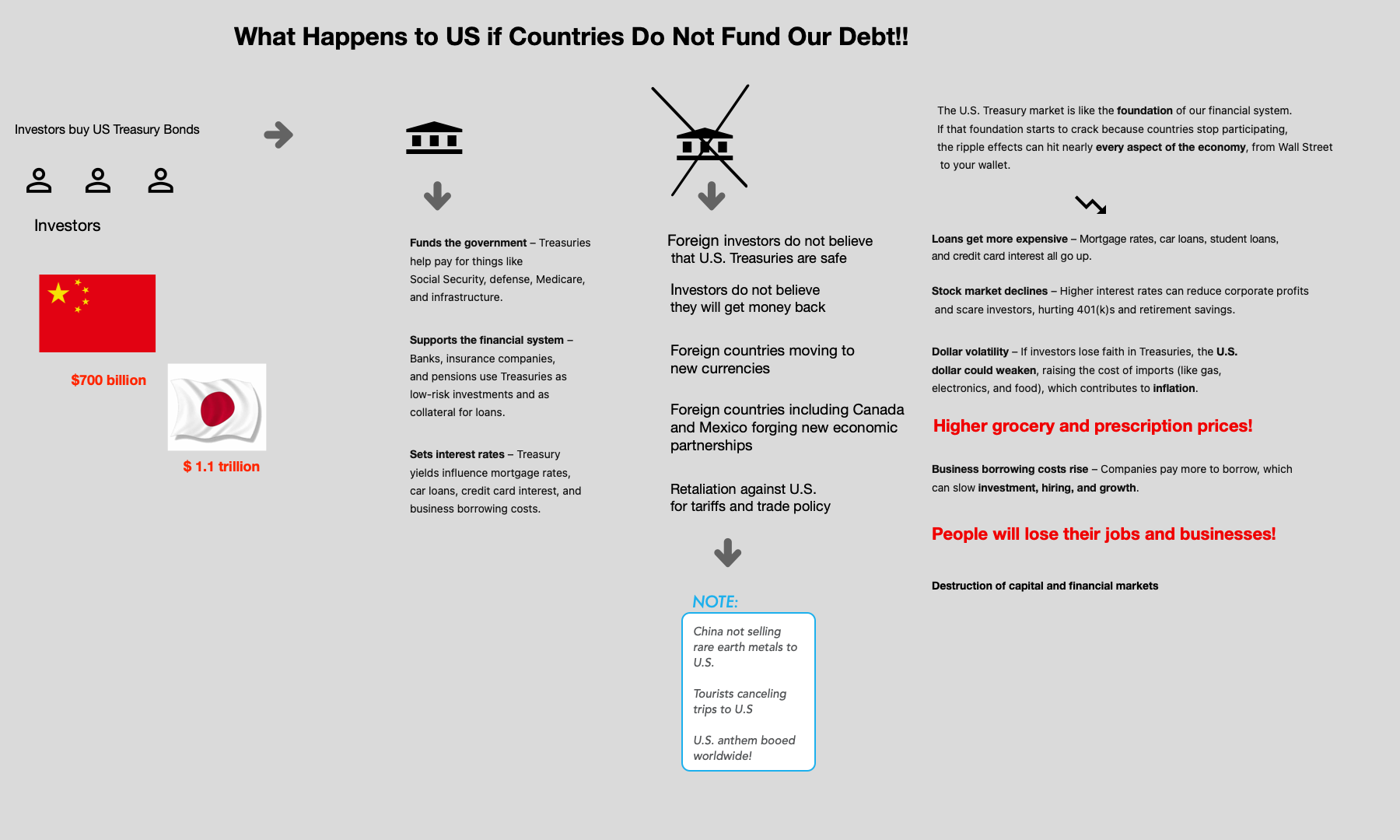
President Trump has been lucky in the past. He was rescued by his father’s money and banks willing to take risks that didn’t always pan out. He wasn’t so lucky in the casino business, and I don’t think he realizes he’s holding a weak hand in the high-stakes game of tariffs. When countries like China and Japan begin offloading U.S. Treasuries, it’s not just a financial maneuver—it’s a warning. They’re saying loud and clear: you’re not playing with our house money.

Let’s be honest: America is losing friends. Longtime allies are distancing themselves. They were stunned when Trump won reelection last November—and outright furious when “Liberation Day” was declared weeks ago. While Congress, the courts, and much of the press seem hesitant to challenge him, our international allies are not. They’re making new economic and diplomatic arrangements—and the U.S. is no longer on the guest list.

This has consequences. If foreign investors stop buying U.S. Treasury bonds—or worse, start selling them—our ability to fund government programs, including Social Security, is at risk. No one will be spared the fallout. It’s hard to believe our leaders don’t grasp how dangerous this path is.

And it may already be too late. Confidence in the U.S. has taken a major hit. There are reports of Canadian tourists canceling trips here—more signs of the growing unease.

If you’re a CEO or business owner, how can you plan with any confidence when the rules of the game keep shifting? The White House seems deaf to the frustration coming from both abroad and increasingly from within our own borders.

Democrats and critics are pinning their hopes on the 2026 midterms. But if this trajectory continues, I worry about what condition the country will be in by then.

And what about the seniors who voted for Trump? How do they feel now that Social Security offices are closing and workers are being laid off? When the Commerce Secretary brushed off concerns about late checks—suggesting a delay of a week or so would be no big deal—I wanted to shout: Wanna bet?

There’s a lot of noise out there. A lot of shouting, marching, hand-wringing. But not a lot of clarity or direction. Sometimes, it feels like we’ve passed the point of no return. Judging by the way our allies are behaving, they seem to think we already have.

A Vote for Epistocracy

Epistocracy is a system in which the votes of people who can prove their political knowledge count more than the votes of people who can’t. In other words, it’s a system that privileges the most politically informed citizens.

Given the notable failures of US democracy in the past, few decades, I seek a new political system alternative. Epistocracy appeals to me as it rewards a demonstration of competence in judgment when voting. For example, a voter should have more than a passing knowledge of American history, its political system and the ability to discern facts and truth from disinformation.

I recognize that it would be very hard to implement this type of political system. Two big issues: First, determining what the criteria is for voter competence. Lord knows that the bar would be very low if the Republican Party had any input into this criteria. Second, getting the buy in from the American people that this system is better and would result in better candidates and better results from our elected representatives.

This idea may be a disillusioned man’s dream. But given the sad circumstance of our national Administration, its incompetence and the mediocrity of our elected national representatives, I am a poor man’s “Elon Musk” looking to improve government.

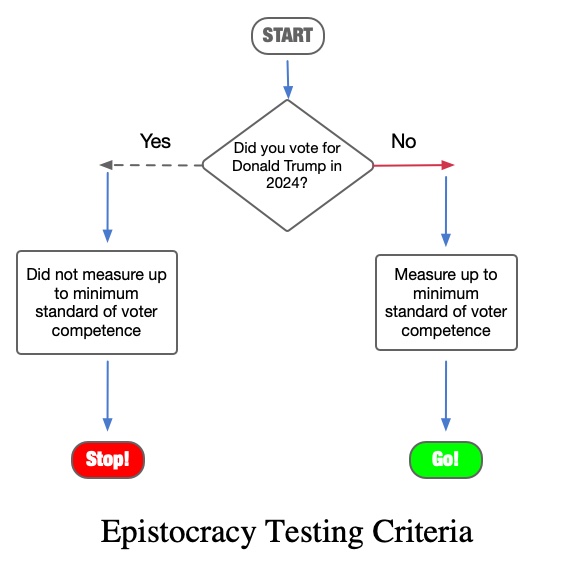
Here is my contribution for a simple introductory test to see if a voter merits competence consideration…

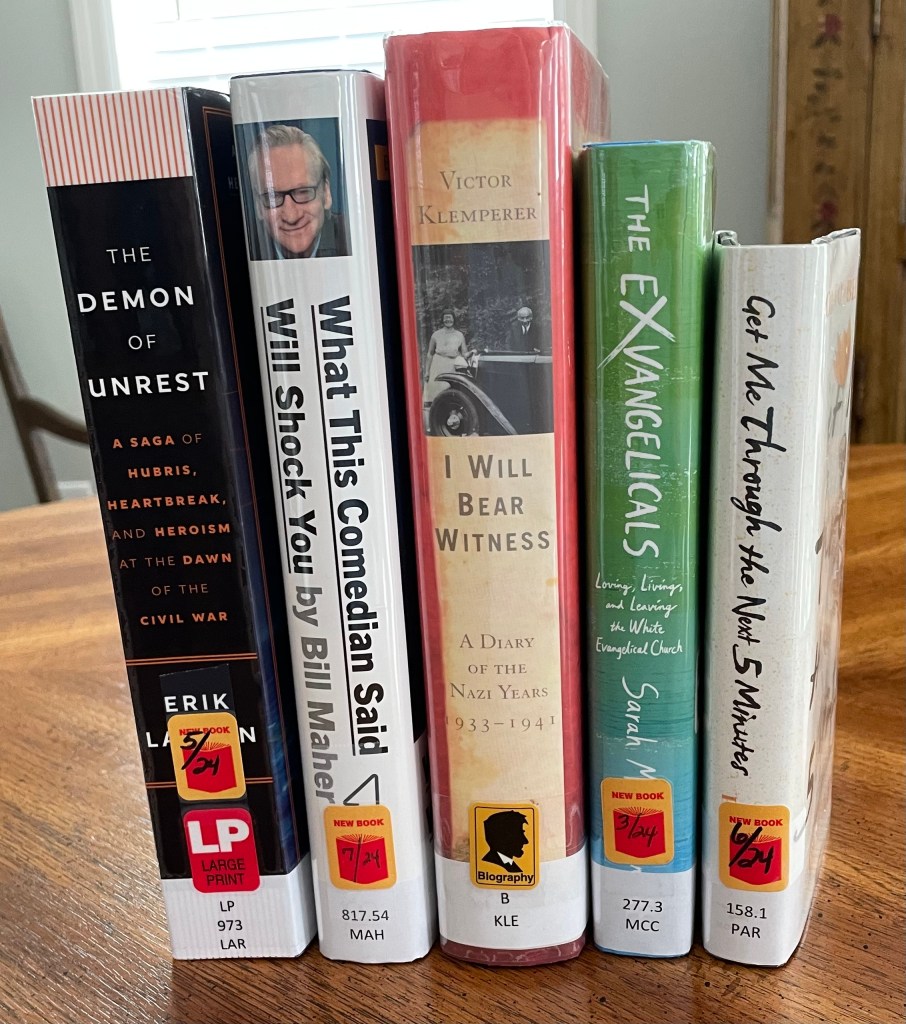
Books on my Nightstand

KODAK Digital Still Camera

Thank God for public libraries!

I keep reading articles about how people don’t read books anymore. Can’t say I’m surprised. I’m often shocked how people, especially young ones, don’t know our country’s history. I am also fascinated about books and other media about Nazi Germany. Some disturbing historical similarities between Germany (1933-1940) and the United States today.