
Turn and face the strange
Ch-ch-changes
Pretty soon now you’re gonna get older
Time may change me
But I can’t trace time
Changes
Song by David Bowie
Aging has a way of humbling even the most optimistic among us.
Next month I turn 74, and for years I quietly congratulated myself on holding up pretty well. I could still move easily, climb stairs without thinking about it, keep my balance, and stay mentally sharp. On the pickleball courts, I was competing three or four times a week with players much younger than I was. More than a few people kindly told me I looked younger than my age, and I was happy to believe them.
It is easy, when things are going well, to assume the good years will simply continue.
But somewhere in your late 60s or 70s, you begin to understand that aging is rarely dramatic at first. It arrives in increments. A little stiffness here. A slower recovery there. An ache that stays longer than it should. Then one day you realize something that once seemed temporary may now be part of the landscape.
People often describe retirement in three stages: go-go, slow-go, and no-go. The transition between them can be subtle. You do not wake up one morning suddenly old. Instead, certain abilities quietly begin negotiating their exit.
Recently, my right knee decided to begin those negotiations.
After weeks of soreness that I stubbornly diagnosed myself as tendonitis, I finally visited a sports doctor. The X-rays showed moderate osteoarthritis. Nothing catastrophic. No immediate talk of knee replacement. But still, it felt like an announcement: the machinery is wearing down.
For someone who depends on pickleball and walking not simply for exercise, but for emotional balance, that diagnosis carried weight.
With unexpected free time from not playing pickleball, I found myself taking inventory of other signs of aging that I usually keep in the background.
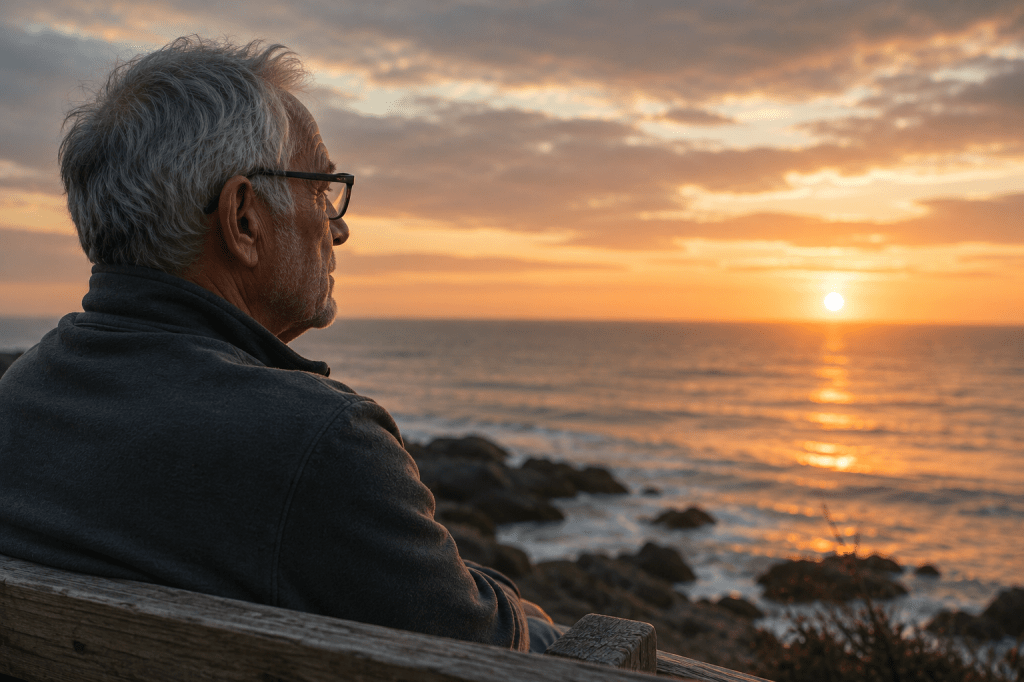
Image by ChatGPT
A dental cap came loose and revealed a badly decayed tooth underneath. At my age, even dental decisions begin sounding like financial planning meetings. A root canal, implant, and crown can cost thousands of dollars, and older people inevitably start doing quiet actuarial math in their heads. How much repair makes sense? How long do we plan for? Younger people rarely think this way. Older people almost always do.
Then there is the mirror.
The thick brown curly hair of my youth has surrendered to gray, thinning strands and a growing bald spot my barber diplomatically works around. The vanity of youth fades eventually, partly by wisdom and partly by necessity. Thankfully, age gives us permission to laugh a little more gently at ourselves.
Sleep has also become an unpredictable companion. I may spend eight hours in bed, but much of it is restless. The afternoons often require a long nap that steals time from walks, errands, conversations, and sunlight. Leg cramps arrive without invitation. Energy has become something to manage instead of something to assume.
My hearing is not what it once was either, likely the accumulated result of decades spent playing music too loudly. I know hearing aids are probably in my future, although I keep hoping technology will improve while prices come down. In the meantime, selective hearing has certain advantages, especially during television news broadcasts.
The larger fear, however, is not physical decline. It is cognitive decline.
My mother spent the final years of her life slowly losing her memory, orientation, and independence. Watching someone you love drift away mentally while remaining physically present leaves a permanent impression. Many people my age carry similar memories of parents, spouses, siblings, or friends.
That experience changes how you look at your own aging.
At 74, I occasionally catch myself wondering whether I am forgetting too much, concentrating less effectively, or slowing down mentally. Some slowing is normal, of course. Aging is not a disease; it is simply life continuing forward. Still, the fear of losing oneself mentally remains one of the shadows that follows many older people quietly through their days.
And yet, perspective matters.
I live among many people my age facing challenges far greater than mine — walkers, surgeries, chronic pain, serious illnesses, loss of spouses, and profound limitations. Compared to many, I remain fortunate. I still have mobility, independence, friendships, and moments of joy that arrive unexpectedly and regularly.
That realization tempers self-pity.
Aging, I am learning, is partly about adaptation. Over the years I have already surrendered running, basketball, and tennis. Perhaps more losses will come. But there is still pleasure in movement, conversation, books, music, laughter, and ordinary mornings that begin without catastrophe.
Pickleball and walking remain especially important to me because they provide more than exercise. They create rhythm, structure, companionship, and peace of mind. Losing some ability does not necessarily mean losing oneself entirely, although it can feel that way in moments of frustration.
Perhaps the real challenge of growing older is learning how to hold gratitude and grief in the same hand.
We mourn what the body once did effortlessly. But we also gain perspective, patience, and a sharper awareness that time is precious. The days matter more because we know they are finite.
David Bowie was right. Time changes us all.
The trick, maybe, is not resisting those changes with bitterness, but facing them with as much grace, humor, realism, and appreciation as we can manage.
 Esot-eric
On point again my friend. Another thoughtful essay Eric, thanks for sharing.
LikeLike
Rick, thanks for reading and your kind comment. You and I are at the age for reflection and perspective. I’ve been very lucky to remain healthy but I sense a slow decline in my pace and energy. You, my friend, are blessed with a wonderful wife and family. You are performing an important community and personal service that has been justly recognized.My best wishes for your continued good health and enjoyment of life. Hard to believe it’s been 56 years since we graduated from Camden Catholic! Eric
LikeLike