Books and Reading: My Lifetime Passion

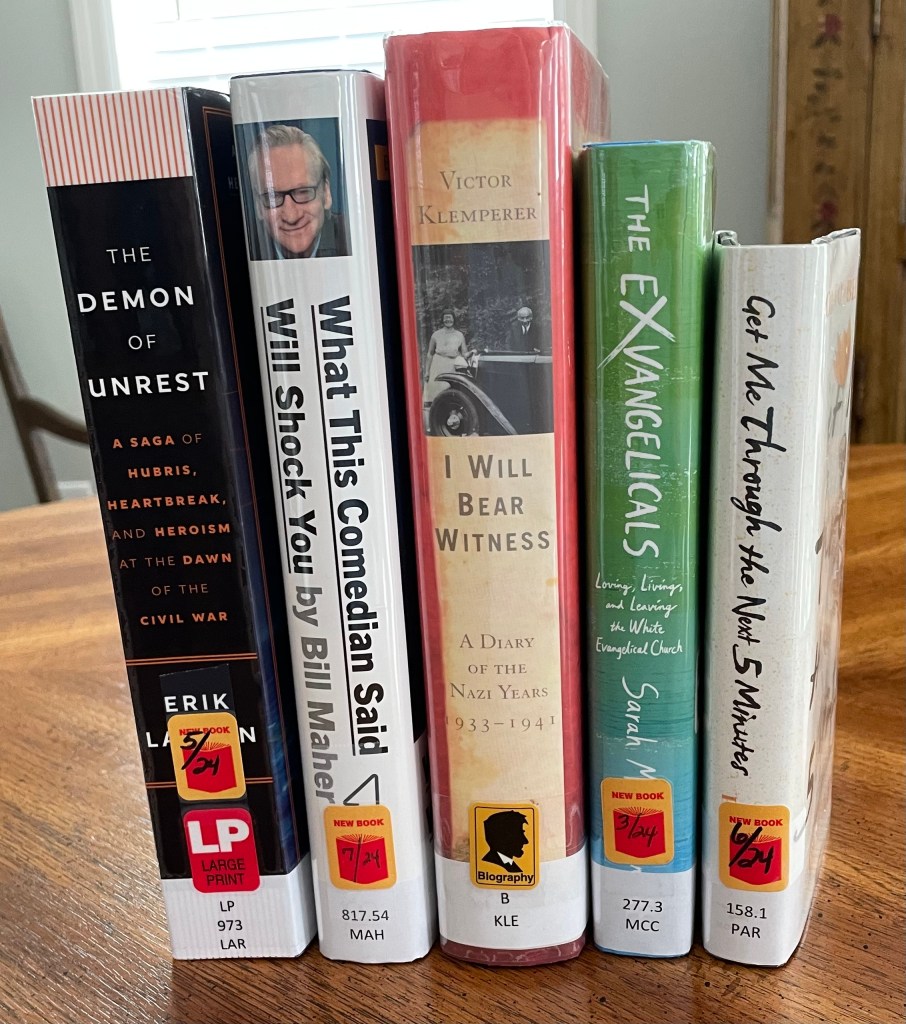
Of the last fifty books I’ve read, forty came from my local library and ten from Kindle. I didn’t buy a single physical book in 2025. When I do purchase a Kindle title, I rarely pay more than $2.99. That number feels less like thrift and more like a verdict on how I now value books: still important, but no longer precious objects.

I wandered into Barnes & Noble twice this past year. Both times I walked out empty-handed. The books that were heavily discounted held no appeal, and the books I might have been interested in weren’t discounted at all. The store felt less like a literary crossroads and more like a museum gift shop—pleasant to browse, but disconnected from my reading life.

When I’m looking for something new to read, I rely on a small, familiar circle: The New York Times Sunday Book Review, Kirkus Reviews, or Goodreads review.

 1929: Inside the Greatest Crash in Wall Street History–and How It Shattered a Nation by Andrew Ross Sorkin is the only current New York Times nonfiction bestseller I’ve read. I have no interest in the other titles on the list. The hardcover fiction list holds even less appeal; I haven’t read—and don’t intend to read—any of those books.

What surprises me most is not my indifference to bestseller lists, but how little conversation books generate anymore. I honestly can’t remember the last time someone recommended a book to me, or when I had a real discussion with another person about something we’d both read. Books seem to have slipped quietly out of our shared conversations.

That feels especially strange when I think back to being ten or eleven years old, roaming the Pennsauken Library in search of the next Hardy Boys, Tom Swift, or Chip Hilton book. I wish I had even a quarter of the excitement I felt then—the sense of urgency, discovery, and possibility that came with finding the next volume in a series. Reading was once a small, private adventure that somehow felt enormous.

At seventy-three, reading is harder in ways that have nothing to do with motivation. My mind doesn’t focus for long stretches. My eyes tire quickly. Cataracts and floaters dull the sharpness of the page. And beyond the physical changes, there’s the persistent feeling that many books now trigger: been there, done that. As one gets older, interest naturally drains from subjects that once felt endlessly compelling—politics, sports, business, self-improvement, psychology, religion. Not because they don’t matter, but because their patterns repeat.

There’s also the sense that books—especially those about current events, politics, or celebrities—have lost some of their gravity. So much of their content is given away in advance through interviews, podcasts, op-eds, and promotional appearances that the book itself feels like an afterthought, a bound summary of things already half-known.

And yet, despite all of this, I keep reading. Maybe not with the hunger of a child or the ambition of a younger adult, but with a quieter persistence. The library card still works. The Kindle still lights up. And every now and then, a book manages to cut through the fatigue and familiarity, reminding me why reading mattered in the first place—and why it still does, even now.
From Sunlight to Shadows

At 73, this Labor Day weekend makes me wonder: How many summers do I have left?

I don’t miss the heat or humidity of summer. I miss the sunlight—the early sunrises, the lingering evenings. A metaphor, perhaps, for life’s stages.

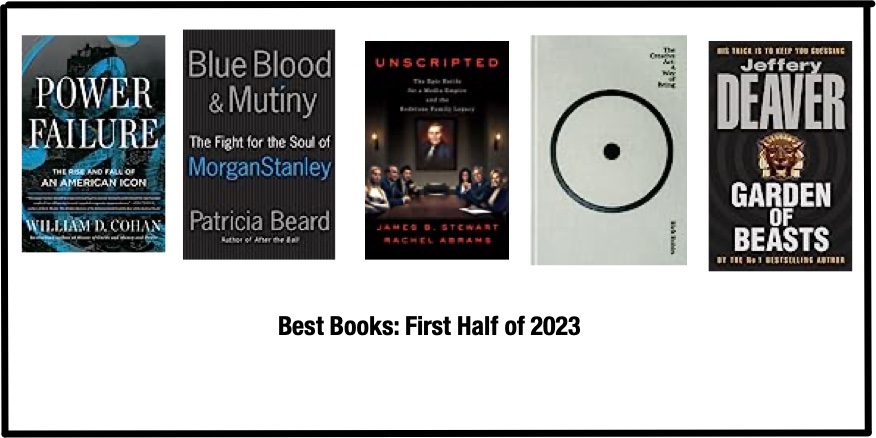
Leisure reading is fading. Only 16% of Americans read regularly for pleasure—down from 28% in 2003. In the UK, just 41% of parents read daily to toddlers, compared with 64% in 2012.

I wandered into a Barnes & Noble last week, my first visit in over a year. Chairs and cozy nooks were gone—B&N is all business now. I left without a book. Even their sale couldn’t entice me; I balk at paying more than $20 for a hardcover.

On my nightstand:

  • King of Kings: The Iranian Revolution—A Story of Hubris, Delusion and Catastrophic Miscalculation by Scott Anderson
  • Miracles and Wonder: The Historical Mystery of Jesus by Elaine Pagels

Haruki Murakami once wrote:

“If you only read the books that everyone else is reading, you can only think what everyone else is thinking.”

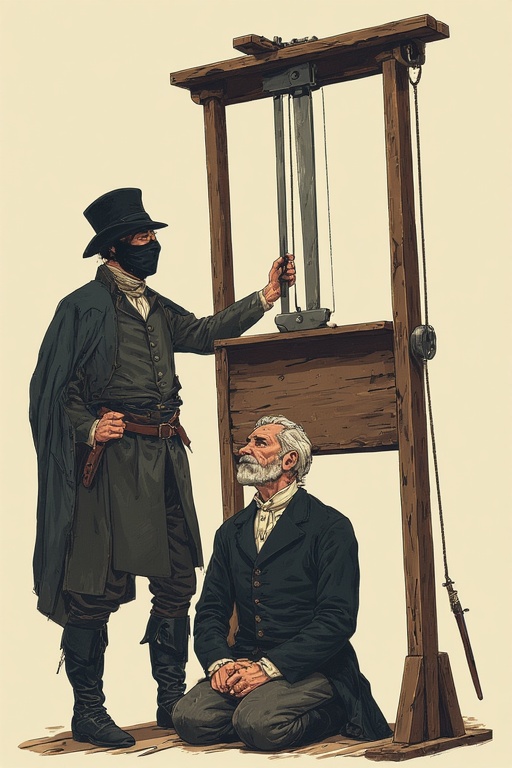
Mortality hovers. I don’t fear death, but I do fear dying. Sometimes I feel like a man with his head beneath a guillotine, staring at the blade. I’ve been fortunate with health, but around me I see friends whose luck has run out. The blade will fall on me too.

Meanwhile, the U.S. falters. Ineptitude, cowardice, hubris—displayed daily. A recent New York Times photo showed India’s Modi with Putin and Xi, a tableau of shifting power. It captured the failure of American diplomacy and leadership. One man bears much of the blame: Donald Trump. As summer declines, so does America as it retreats further into the darkness.

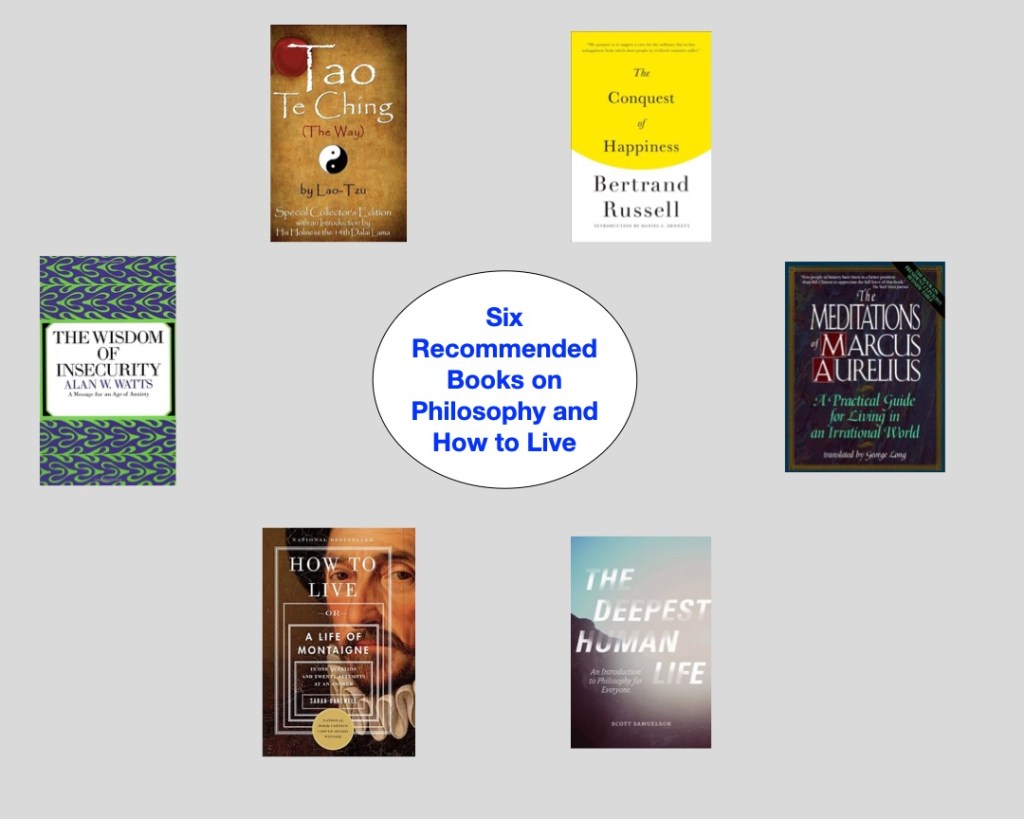
Best Six Philosophy Books of My Lifetime

When religion failed to be an adequate guide on how to live and conduct oneself, I became interested in philosophy. I don’t pretend to be particularly wise or that I have conducted myself in life to a high standard, but these books provided some inspiration and guidance based on reason and common sense.

Because life is sweet, we do not want to give it up, and yet the more we become involved in it, the more we are trapped, limited and frustrated. We love it and hate it at the same time. We fall in love with people and possessions, only to be tortured by anxiety for them.

The Wisdom of Insecurity by Alan Watts

Chase after money and security and your heart will never unclench. Care about people’s approval and you will be their prisoner.

Tao Te Ching Translated by Stephen Mitchell

The wise man thinks about his troubles, only when there is some purpose in doing so; at other times, he thinks about other things, or, if it is night, about nothing at all.

The Conquest of Happiness by Bertrand Russell.

The best way of avenging one self is not to become like the wrong doer.

Meditations by Marcus Aurelius.

Bangers: 624 aphorisms from 9 Deep Thinkers by Jash Dholani (Notes and Gems)

I read, collect and on occasion try to write pithy and wise aphorisms. Like a gold miner from the American West, I sifted through the contents of this book and found these gems. Author is listed before his aphorisms.

By La Rochefoucauld

We promise according to our hopes; we perform according to our fears.

==========

To establish ourselves in the world we do everything to appear as if we were established.

==========

Everyone blames his memory, no one blames his judgment.

==========

Old men delight in giving good advice as a consolation for the fact that they can no longer set bad examples.

==========

We become so accustomed to disguising ourselves to others that at last we are disguised to ourselves.

==========

The refusal of praise is only the wish to be praised twice.

==========

Those who apply themselves too closely to little things often become incapable of great things.

==========

By Nicolas De Chamfort

What makes the success of many books consists in the affinity there is between the mediocrity of the author’s ideas and those of the public.

==========

A WITTY woman told me one day what may well be the secret of her sex: it is that every woman in choosing a lover takes more account of the way in which other women regard the man than of her own.

==========

By Charles Caleb Colton

With books, as with companions, it is of more consequence to know which to avoid, than which to choose; for good books are as scarce as good companions.

==========

By John Lancester Spalding

To be more impartial about the modern world, you need the vantage point of old books.

==========

The weak, when they have authority, surround themselves with the weak.

==========

Conversation injures more than it benefits. Men talk to escape from themselves, from sheer dread of silence. Reflection makes them uncomfortable, and they find distraction in a noise of words. They seek not the company of those who might enlighten and improve them, but that of whoever can divert and amuse them.

==========

The smaller the company, the larger the conversation.

==========

By Austin O’Malley 

Beware of the patient man The bigger the dam of patience, the worse the flood when the dam breaks.

==========

A man’s life is like a well, not like a snake— it should be measured by its depth, not by its length.

==========

In selecting a wife use your ears before your eyes.

==========

By Goethe

An intelligent man finds almost everything ridiculous, a wise man hardly anything.

==========

Clearing my Mental Cache

The New York Times published a list of their Reader’s picks for the best 100 books of the 21st-century. Here are the only three books I have read that were on this list: A Gentleman in Moscow by Amor Towles, Trust by Hernan Diaz; and When Breath Becomes Air by Paul Kalanithi. I was very moved by the Kalanithi book which I read in one sitting. I did not like Trust at all. I don’t remember anything about the Towles book other than I read or skimmed it.

I don’t understand the need for a second debate between Kamala Harris and Donald Trump. Who thinks that Trump will be better prepared? I have absolutely no sympathy or understanding for any “undecided voter” that may still exist. It’s pretty obvious which candidate people should vote for…

The three best college fight songs are from these schools: 1. Michigan; 2. Notre Dame and 3. USC.

At my stage in life, I think it better to appear certain, confidant but possibly wrong on one’s opinions, philosophy and views than still struggling to find the right answers.

Books on my Nightstand

KODAK Digital Still Camera

Thank God for public libraries!

I keep reading articles about how people don’t read books anymore. Can’t say I’m surprised. I’m often shocked how people, especially young ones, don’t know our country’s history. I am also fascinated about books and other media about Nazi Germany. Some disturbing historical similarities between Germany (1933-1940) and the United States today.

Books Reviewed

Brief thoughts and comments on books and reading…

My tastes are changing as I have become older. I want to be more entertained, less provoked and upset. More fiction, preferably historical fiction, less politics.

Speaking of books that provoke and upset, I have no interest in reading any more books about the Trump presidency. I get it after reading about a dozen books on his administration: he was an awful President and a horrible human being.

In fiction, I continue to read stories where the main character is a man in his 60s and 70s.

My sources for reading material: My Library, Kindle (less than $5 books) Barnes and Noble… I now belong to a new library that will hopefully provide me more opportunities to find books that I am interested in reading. I haven’t bought a book at Barnes and Noble for about time months. Price of their books are often too high and often not worth the price.

How I scout books before I read them? I read reviews from Goodreads, Kirkus, and Amazon. Sometimes books are previewed (maybe the first chapter) and I’ll read the previews to see if it catches my interest. If possible, I try to see the Table of Contents for a book. Often that provides a preview of the contents of the book and if I may find interest in topics covered.

I rarely read non fiction books cover to cover anymore. I tend to skim through sections of a book where I have no interest, am already familiar with the content or bored.

I enjoy collecting aphorisms and seek books about aphorisms. If I am to write a book, it will be aphorisms that I create about life, aging, religion, money, marriage, friendship, etc.

I prefer to read books less than 200 pages. Reading a book that is more than 500 pages is a mental marathon that I can rarely finish.

My universe of reading topics continues to shrink. There are so many things now that I have very little interest in, including politics, self help, health issues, money and finances, Trump etc.

I really don’t need most self improvement books. At 71 1/2, if I haven’t figured things out by now, I never will.

Recommended: 26 Works of Fiction

Stoner by John Williams
All Quiet on the Western Front by Erich Maria Remarque
Inherit The Wind by Lawrence and Lee
The Bridges at Toko-Ri by James Michener
Failsafe by Eugene Burdick
A Night to Remember by Walter Lord
You Only Live Twice by Ian Fleming
Forever and a Day by Anthony Horowitz
Moriarty by Anthony Horowitz
Babbitt by Sinclair Lewis
Conspirata by Robert Harris
Conclave by Robert Harris
In the Garden of Beasts: Love, Terror, and an American Family in Hitler’s Berlin by Erik Larson
Dead Wake: The Last Crossing of the Lusitania by Erik Larson
Winter Journal by Paul Auster
Our Souls at Night by Kent Haruf
Bright, Precious Days by Jay McInerney
The Only Story by Julian Barnes
The Sense of an Ending by Julian Barnes
Talk to Me by John Kenney
City on Fire by Don Winslow
Running to the Mountain: A Midlife Adventure by Jon Katz
All The Old Knives A Novel by Olen Steinhauer
Disclosure by Michael Crichton
The End of October: A novel by Lawrence Wright
The Last Days of Night: A Novel by Graham Moore