
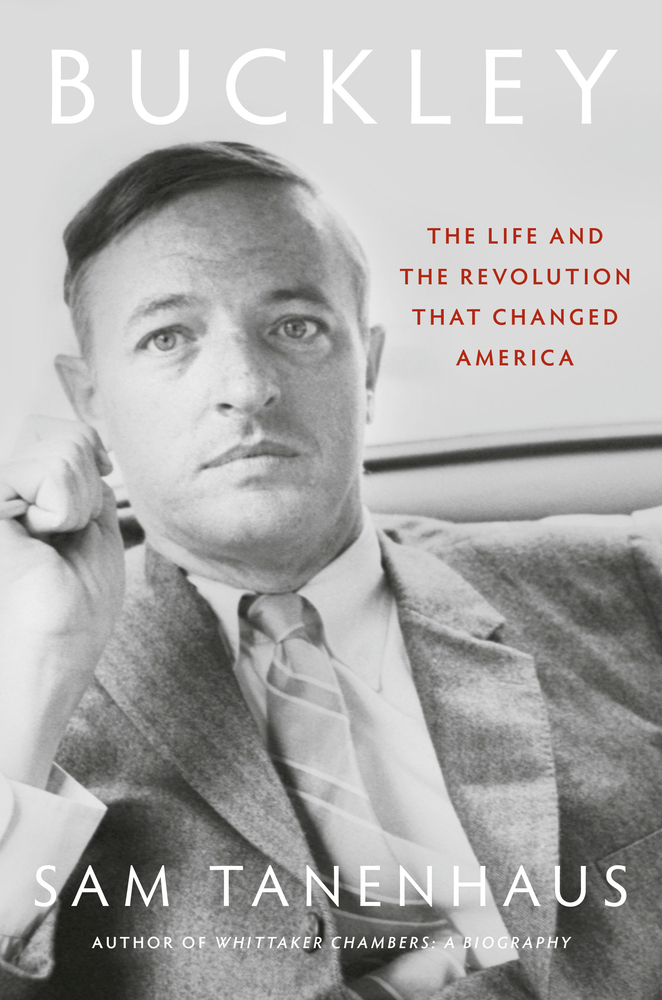
Sam Tanenhaus’s nearly 900‑page biography is a major investment of time, and it helps to arrive already curious about—or at least aware of—William F. Buckley Jr. and the post‑war conservative movement he helped shape. For readers who meet that threshold, the book proves surprisingly readable; for those who don’t, the dense historical detail may feel arduous.
Scope and Balance
Tanenhaus is both exhaustive and even‑handed. He neither canonizes nor demonizes his subject, instead cataloguing Buckley’s triumphs alongside his missteps. Critics may bristle at the close attention paid to family “warts,” especially the overbearing father, but the research is meticulous and the portrait persuasive.
Buckley’s Major Misjudgments
- Foreign‑policy zigzags – Buckley opposed U.S. entry into World War II before Pearl Harbor yet staunchly backed the Vietnam War.
- McCarthyism and Watergate – He defended Senator Joe McCarthy and later downplayed Watergate, even championing conspirator Howard Hunt.
- Civil‑rights resistance – Buckley was late to endorse full political rights for Black Americans, claiming many were unprepared for the franchise.
- The Edgar Smith debacle – Perhaps his worst lapse: lobbying for the release of convicted murderer Edgar Smith, who soon attacked another woman. Charm and flattery clouded Buckley’s judgement, and basic due diligence was absent.
Admirable Qualities
Despite his blind spots, Buckley inspired loyalty. Friends—ideological allies and foes alike—describe his private warmth, generosity, and wit. His charitable giving was substantial and discreet, and he remained courteous to adversaries off camera.
Education and Talents
An indifferent early student who failed several prep‑school entrance exams, Buckley benefited from a cosmopolitan upbringing in Europe, becoming multilingual. At Yale he honed the dazzling rhetorical style that later defined Firing Line. A true polymath, he wrote gracefully, played concert‑level piano, skippered ocean races, debated ferociously, and chronicled his frenetic routines in the memoir Overdrive.
Personal Speculations
Tanenhaus briefly entertains Gore Vidal’s insinuations about Buckley’s sexuality but unearths no substantial evidence. The Buckley‑Vidal televised clashes, however, remain one of the book’s liveliest threads.
Blind Spots in Business
For all his verbal precision, Buckley was financially inept. National Review survived only through repeated infusions from his father and sympathetic backers; balance sheets mystified him, and bankruptcy loomed more than once.
How the Book Changed My View
I once saw Buckley as an unalloyed Renaissance man. Tanenhaus complicates that picture, revealing antisemitic streaks, chronic resistance to civil rights, and a habit—memorably skewered by Yale philosopher Paul Weiss—of sounding authoritative on books he hadn’t read. In the end, Buckley emerges as brilliant but fallible, magnetic yet blinkered—a man whose revolution reshaped American conservatism while mirroring its contradictions.
Verdict
For readers already engaged with post‑war political history, Tanenhaus offers a definitive, engrossing study. Newcomers to Buckley may wish to sample his columns or television debates first; only then will they fully appreciate the nuance—and magnitude—of this sprawling biography.
 Esot-eric