
I first read this book in 2012 when I was 60 years old. It had a profound effect on me then. My fears of getting older were starting. Reading this book at 72, I have a new appreciation for Auster’s messaging on aging, death and memories. The tale is sobering, not depressing. Auster had an interesting story to tell about his life’s experiences.
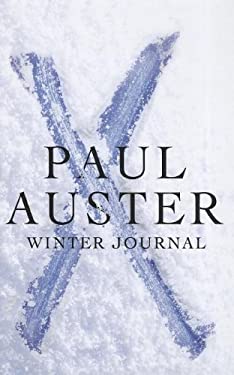
“Winter Journal” is a deeply personal memoir published in 2012, written when Auster was 64 years old. Auster begins by documenting his bodily sensations and physical experiences, starting with a detailed account of his mother’s death and moving through various moments of his life. He explores personal traumas, near-death experiences, and significant physical memories that have shaped his understanding of himself.
The memoir covers several key themes: mortality, aging, memory, and personal history.
List of my favorite excerpts below:
Your bare feet on the cold floor as you climb out of bed and walk to the window. You are 64 years old. Outside, the air is gray, almost white, with no sun visible. You ask yourself: How many mornings are left?
Nevertheless, there are things that you miss from the old days, even if you have no desire to see those days return. The ring of the old telephones, the clacking of typewriters, milk and bottles, baseball without designated hitters, vinyl records, galoshes, stockings, and garter belts, black and white movies, heavyweight champions,… basketball before the three-point shot, contempt for authority.
Your birthday has come and gone. 64 years old now, inching ever closer to senior citizenship, to the days of Medicare and Social Security benefits, to a time when more and more of your friends will have left you. So many of them are gone already – –but just wait for the deluge that is coming.
That is why you will never forget these words, which were the last words spoken to one of your friends by his dying father: “Just remember, Charlie, “he said “never pass up an opportunity to piss.” And so the wisdom of the ages is handed down from one generation to the next.
Joubert: The end of life is bitter. Less than a year after writing those words, at the age of 61, which must’ve seemed considerably older in 1815 then it does today, he jotted down a different and far more challenging formulation about the end of life: One must die, lovable (if one can.)
 Esot-eric