
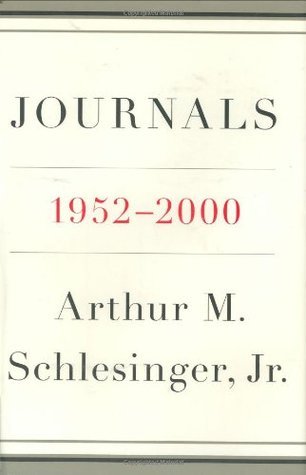
In Journals 1952-2000,” Arthur Schlesinger Jr. offers a captivating exploration of American political history spanning the Eisenhower to Clinton administrations. Through his unparalleled connections with U.S. Presidents, foreign leaders, intellectuals, and cultural icons, Schlesinger provides an insider’s perspective on the tumultuous events that shaped the 20th century.
With candor, Schlesinger delves into his personal sentiments, both favorable and critical, towards prominent figures of the era. The admiration for the Kennedy brothers, John and Robert, shines through, while his disillusionment with Lyndon Johnson’s interpersonal approach and bizarre behavior is apparent. Notably, Schlesinger’s palpable disdain for Richard Nixon adds an ironic twist, considering their proximity as neighbors following Nixon’s presidency.
Throughout the book, Schlesinger’s political inclinations come to the fore, as he expresses his reservations about Republican presidents such as Dwight Eisenhower, Ronald Reagan, George W. Bush, and Nixon. His critique extends to a fellow Democrat, Jimmy Carter, revealing Schlesinger’s willingness to evaluate leaders from his own party objectively.
The narrative isn’t limited to policy discussions; Schlesinger enthralls readers with captivating anecdotes, insider gossip, and subtle insinuations involving prominent politicians, particularly those in the nation’s capital. Delicate topics, including the romantic entanglements of President Kennedy, Ted Kennedy, Gary Hart, Bill Clinton, Martin Luther King, and Nelson Rockefeller, are deftly navigated.
A noteworthy revelation is Schlesinger’s subtle hint at the complex relationship between himself, Robert Kennedy, and the enigmatic Marilyn Monroe. His close friendship with Jackie Kennedy also comes to the forefront, offering readers a unique glimpse into her life.
“Journals” serves as a window into Schlesinger’s engagement with pivotal issues of his time, encompassing the Vietnam War, the Cold War, Mideast tensions, diplomatic overtures with Russia and China, and the high-stakes Cuban Missile Crisis. Schlesinger’s multifaceted talents shine as he shares his role in crafting speeches and messages for aspiring Democratic presidential candidates.
Despite its substantial 783-page length, it maintains an engrossing narrative that captivates without causing reader fatigue. The book is both an enjoyable read and an invaluable source of information, making it a compelling recommendation for scholars of presidential history and anyone intrigued by the intricacies of American politics and events from 1952 to 2000.
 Esot-eric