
After reading this book, it’s easy to understand why U.S. relations with Iran remain so strained and why so much hostility exists toward America. For nearly a century, presidential administrations have made diplomatic blunders, compounded by intelligence failures that shaped disastrous outcomes.
I recently finished Tim Weiner’s The Mission: The CIA in the 21st Century, which documented the CIA’s missteps in Vietnam, Afghanistan, Iran, Iraq, and elsewhere. Anderson’s account shows the same pattern: Did we get anything right?
The intelligence failures in Iran were staggering. Agencies recorded Ayatollah Khomeini’s speeches but never bothered to translate them—missing clear warnings about his intentions. Meanwhile, the U.S. continued to prop up Shah Mohammad Reza Pahlavi, a weak and indecisive ruler despised by his own people. Ironically, his wife, Farah Pahlavi, displayed far more backbone and foresight. Yet to Washington, Iran’s real value was simply the oil beneath its soil.
Equally unconscionable was the way U.S. embassy staff in Tehran were treated as expendable pawns. The Carter administration fully understood the risks—especially after allowing the Shah into the United States—yet left personnel exposed to the fury of revolutionary crowds.
The lack of coordination between diplomatic and intelligence communities in the 1970s was nothing short of criminal. Mixed signals to the Shah, who desperately needed guidance and resolve, only deepened the chaos. Even today, the lingering question remains: Did Ronald Reagan deliberately delay the hostages’ release until after his inauguration?
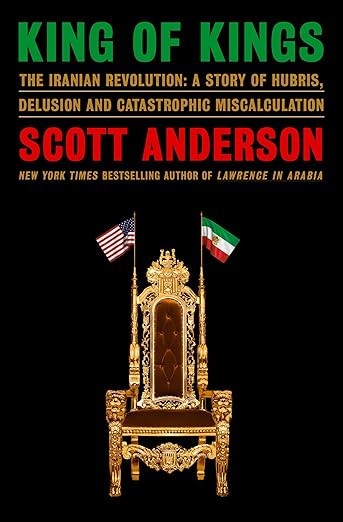
Anderson does an excellent job highlighting both the heroes and villains of this tragic story. One memorable account involves teacher Michael Metrinko, who earned the respect of his Iranian students by deliberately standing up to—and physically subduing—the toughest among them.
By weaving personal tales with geopolitical history, Anderson makes the Iranian Revolution come alive in all its complexity. The result is a powerful and unsettling reminder of how deeply poor leadership and intelligence failures can alter history.
 Esot-eric