
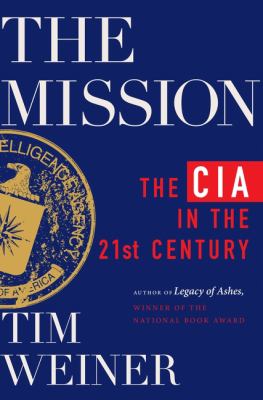
Tim Weiner’s The Mission is a sobering account of the CIA’s role in America’s foreign policy missteps and disasters in the 21st century. Drawing from extensive research, Weiner chronicles the agency’s involvement in 9/11, the failed search for weapons of mass destruction, the wars in Afghanistan and Iraq, the hunt for Osama bin Laden, CIA-led torture programs, intelligence scandals, and the rise of authoritarian threats from Russia and China.
This is a meticulously documented narrative by an author who previously wrote a highly regarded history of the CIA. His deep dive into the post-Cold War era exposes not just institutional failures, but also the personal hubris and political dysfunction that have plagued U.S. intelligence efforts for decades.
My key takeaways:
- Lack of Trust and Influence: The CIA has long struggled to earn respect from Presidents and Congress. Time and again, its expertise was dismissed or ignored, and its assessments branded as unreliable.
- The Bush Administration’s Failures: The book paints a particularly damning portrait of the Bush era. Following 9/11, President Bush, Dick Cheney, Condi Rice and Donald Rumsfeld failed to provide clear leadership. Their decisions around Afghanistan and Iraq were marked by confusion, overreach, and incompetence.
- Torture and Moral Failure: The CIA’s use of torture—sanctioned by the Bush administration—was both brutal and ineffective. Weiner describes techniques that border on the medieval, with little intelligence gained and great moral cost.
- Civilian Casualties and Poor Strategy: U.S. policies led to the deaths of countless innocent civilians. Nation-building efforts were hollow and often reduced to buying influence with cash, with no sustainable long-term strategy.
- Leadership Void: Successive CIA directors often lacked the competence or temperament needed for the job. David Petraeus, once seen as a reformer, was undone by scandal and the mishandling of classified information.
- Enemies Within: Some of the most troubling stories involve not foreign adversaries, but Americans working within the intelligence community– “evil doers.”
- Russia and Trump: The book raises urgent concerns about Vladimir Putin’s manipulation of Donald Trump. While some critics view Weiner’s treatment of Trump as partisan, his claims are backed by specific examples of erratic behavior and questionable judgment.
- China’s Strategic Gains: The author also warns about China’s aggressive espionage efforts, including theft of data, intellectual property, and personal information—threats that continue to grow.
Final Thought:
Weiner’s central question—What exactly is the CIA’s mission?—remains disturbingly unclear. The agency’s goals seem to shift with political winds rather than strategic foresight. If the U.S. is to effectively combat terrorism and the evolving threats posed by Russia, China, North Korea, and others, we need a vastly improved intelligence apparatus—one built on clear purpose, strong leadership, and accountability.
 Esot-eric